What to eat after surgery
Good nutrition is one of the biggest levers on how well you heal, before surgery, right after, and through the weeks of recovery. This is the plan Dr. Khaled Ghalwash's patients follow, for general surgery and after weight-loss surgery.
Nutrition through your recovery
-
1
Before surgery (2 to 4 weeks)
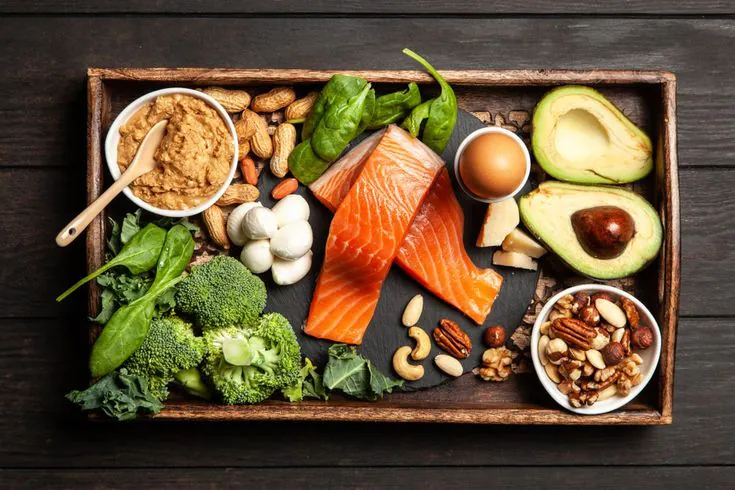
Raise protein toward 1.5 g/kg per day. Eat vitamin-C foods (citrus, peppers, leafy greens) for collagen, treat low iron if present, and cut down on alcohol and processed food.
-
2
The 48 hours before
Follow your surgeon's fasting instructions exactly. Otherwise stay well hydrated, avoid alcohol completely, and keep to easily digestible food.
-
3
The first week after
Lead with protein and easy-to-digest foods: broth, yogurt, eggs, or protein shakes if solids feel hard. Prevent the constipation that is common after anaesthesia with fluids, fibre, and prune juice. Small, frequent meals are easier than three large ones.
-
4
Weeks 2 to 6
Return gradually to whole foods, protein around 1.2 to 1.5 g/kg, plenty of colourful vegetables and fruit. Adjust calories to your energy: most patients need slightly more while actively healing.
What to eat, what to limit
| Group | Best choices | Fine in moderation | Limit |
|---|---|---|---|
| Protein | Fish, egg white, chicken, turkey, soy | Lean red meat | Bacon, sausage, salami, fatty meats, cheese |
| Fats | Olive oil, avocado | Soybean oil, sesame oil | Mayonnaise, butter, cream, sour cream |
| Carbohydrates | Vegetables, most fruit | Whole grains | Sugary drinks, fruit juice, refined bread, alcohol |
Eating after a gastric sleeve or bypass
After bariatric surgery the diet advances in stages over about six weeks so the healing stomach is never overloaded. Keep portions tiny, sip slowly, and separate drinking from eating by about 30 minutes.
-
1
Week 1, clear liquids
Water, clear broth, sugar-free fluids. Small, frequent sips, never gulped.
-
2
Then, full liquids
Protein shakes, milk, strained soups, drinkable yogurt to reach your protein goal.
-
3
Weeks 2 to 4, pureed and soft
Blended protein, eggs, soft fish, mashed pulses. Smooth, easy textures.
-
4
Week 6 and on, normal textures
Balanced meals, protein first, stop the moment you feel full.
Planning weight-loss surgery? See the bariatric surgery guide and enhanced recovery.
Common questions
What should I eat in the first days after surgery?
Lead with protein and easy-to-digest foods: broth, yogurt, eggs, and protein shakes if solid food feels hard at first. Drink plenty of fluids, and prevent the constipation that is common after anaesthesia with prune juice, fibre, and good hydration. Protein at every meal is what drives healing.
How much protein do I need after surgery, and why?
Aim for about 1.2 to 1.5 grams of protein per kilogram of body weight per day. Protein is the raw material for wound healing and preserves muscle while you recover. A practical target is a palm-sized portion of lean protein at each meal: fish, egg white, chicken, turkey, or soy.
Which foods should I avoid while healing?
Limit fatty and fried foods, processed meats (bacon, sausage, salami), sugary drinks, and alcohol: they add little nutrition and can slow recovery. After bariatric surgery also avoid fizzy drinks and concentrated sweets, which cause discomfort and stall weight loss.
What is the diet after a gastric sleeve or bypass?
It advances in stages over about six weeks so the healing stomach is never overloaded: clear liquids in the first days, then full liquids, then pureed and soft foods through weeks two to four, then normal textures from about week six. Keep portions tiny, sip slowly, and separate drinking from eating by about 30 minutes.
How long do I follow the post-surgery diet?
For most general surgery, focus on good protein and nutrition for several weeks until healing settles. After bariatric surgery the staged progression takes about six weeks to reach normal food, and the healthy-eating habits (protein first, small portions, slow eating) are meant to be lifelong.
Do I need vitamins or supplements?
After bariatric surgery, yes: a daily multivitamin plus vitamin B12, iron, calcium, and vitamin D are standard, because the smaller stomach absorbs less. A protein supplement helps if you cannot meet your protein target from food. After other surgery, supplements are added only when a specific deficiency (such as low iron) is found.
Your Journey



Get Started
We're here to answer your questions and guide you on your journey. Reach out to us today.
