
Your Body After Surgery
The surgery is over — but for your body, the real work has just begun. The moment your operation ends marks the start of a massive physiological challenge. Understanding what happens inside your body during recovery isn't just interesting — it's essential for a smooth, safe healing process.
At Ghalwash Hospital, we believe the best-informed patient recovers the fastest. That's why Dr. Khaled Ghalwash share the science behind recovery — not just the instructions.
The Surgical Stress Response — Your Body's Emergency Mode
To your body, surgery isn't just a neat repair job. It registers as a major trauma and triggers a system-wide emergency response. Your immune system, metabolism, and hormones all kick into overdrive — mobilizing every resource to stabilize you, manage tissue damage, and direct energy to healing.
This response is vital for survival. But if it stays activated too long, it can cause its own set of problems — disrupting how your body handles fluids and essential minerals, setting off a cascade of imbalances that medical teams must carefully monitor and manage.
Research published in the journal Curious describes this as 'one of the biggest demands the human body can face.' It's not a small thing — and treating it with the respect it deserves is what separates excellent post-surgical care from adequate care.
The Hidden Battle: Electrolyte Imbalances
The hormones released during the stress response change how your body handles fluids and minerals. Here are the most common imbalances surgeons watch for:
Hyponatremia (Low Sodium): The most common post-surgical imbalance. IV fluids combined with stress hormones make your body retain water, diluting sodium levels. Symptoms — fogginess, confusion, weakness, nausea — are often mistaken for anesthesia wearing off. But this can be an important early warning sign.
Hypokalemia (Low Potassium): Potassium is essential for every muscle in your body — including your heart. Low levels can cause weakness, cramping, and dangerous changes in heart rhythm. This is exactly why hospital staff monitor your electrolytes so vigilantly.
Procedure-Specific Risks: A study found that 54% of gastrointestinal surgery patients develop significant electrolyte imbalances. Neurosurgery patients face sodium shifts from hormonal changes in the brain. Cardiac patients risk low magnesium from bypass machines. The treatment must match the surgery — there is no one-size-fits-all approach.
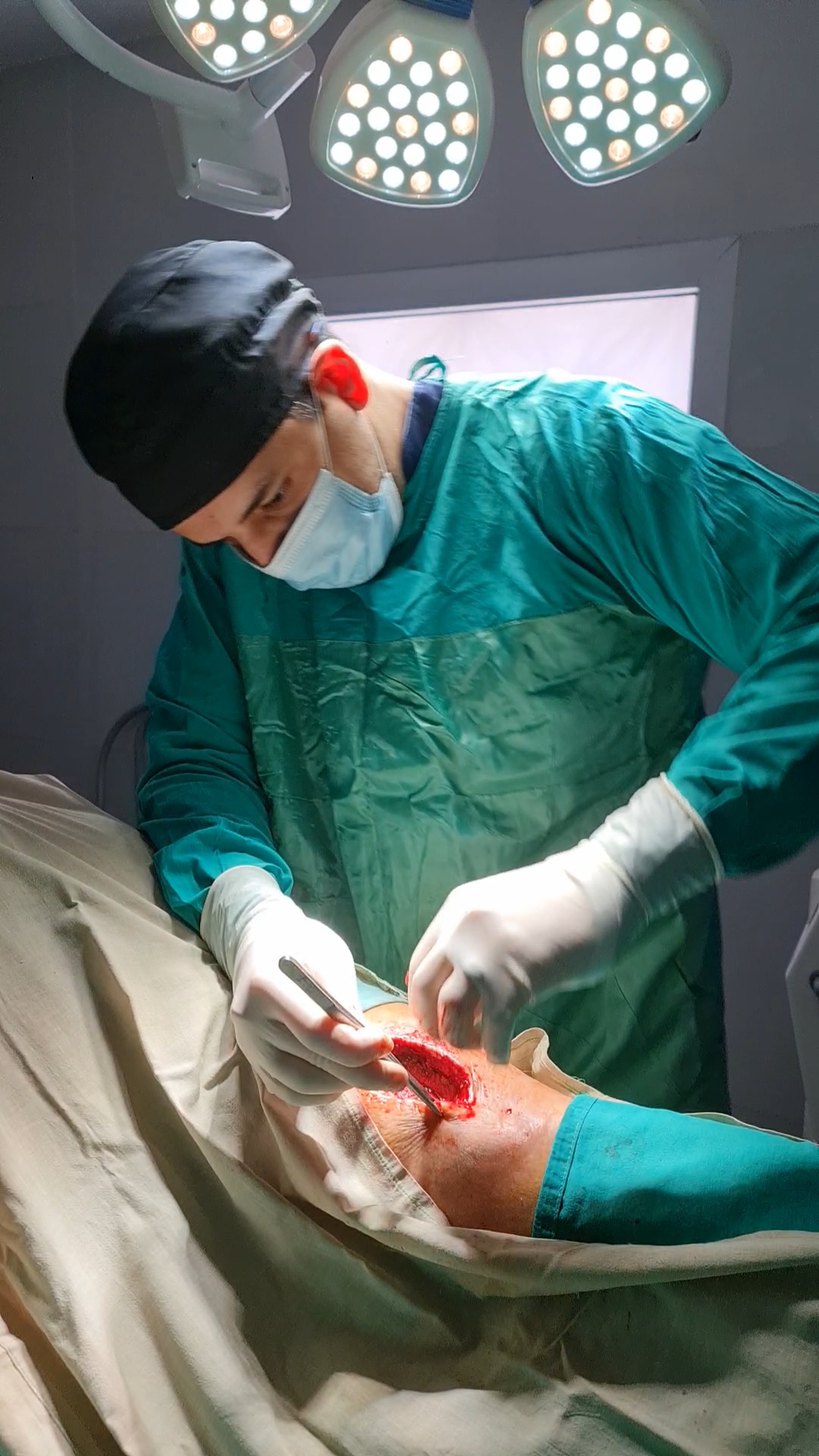
At Ghalwash Hospital, post-surgical monitoring doesn't end when you leave. Because the best surgeon doesn't just perform the surgery — they guide you through every step after it.
افضل جراح في الاسكندرية مش بس بيعمل العملية — ده بيتابعك بعدها في كل خطوة
How We Monitor You — The Three-Step Investigation
At Ghalwash Hospital, post-surgical monitoring follows a systematic, three-step protocol:
Step 1 — The Big Picture: What surgery did you have? How much fluid have you taken in? What are your pre-existing health conditions?
Step 2 — Physical Examination: Checking hydration levels, neurological status, and clinical signs of imbalance.
Step 3 — Lab Data: Precise blood and urine chemistry gives us an exact map of your internal balance.
Based on this data, our team tracks every milliliter of fluid intake and output, rechecks blood work regularly, monitors your heart with ECG when needed, and carefully administers IV fluids and electrolytes. This is not guesswork — it is precision medicine.
The ABCDEF of Post-Surgical Recovery
حروف التعافي بعد العملية
Every patient's recovery journey is unique, but these are the milestones we track — and the improvements you should expect to see:
A — Airway: Breathing improves dramatically during physical activity. Patients who struggled with stairs find themselves walking with ease within weeks.
B — Breathing: Sleep apnea — which affects 13 million Egyptians — resolves in most bariatric patients. Partners often notice the change before patients do: no more snoring, no more gasping at night.
C — Circulation: Your heart no longer works against excess body mass. Blood pressure drops. Cardiac function improves measurably.
D — Disability: We have seen patients go from wheelchairs to walking, from immobility to completing 42km marathons. Mobility returns progressively — and it changes everything.
E — Economics: Patients return to work and productivity. One surgery costs less than a lifetime of insulin, blood pressure medication, CPAP machines, and mobility aids.
F — Fertility: PCOS and insulin resistance resolve after significant weight loss. Pregnancy becomes possible for patients who were told they could not conceive. We typically see this after losing 25-30% of body weight.
Hair Loss and Lifelong Vitamins — What Nobody Tells You
Temporary hair loss is normal. Many patients experience hair thinning 3-6 months after bariatric surgery. This is your body's natural response to rapid weight change and nutritional adjustment. It resolves with proper nutrition and supplementation — do not panic.
Vitamin supplementation is lifelong. This is not optional and not temporary. After bariatric surgery, your modified digestive system absorbs fewer nutrients. Daily vitamins compensate for this. Patients who take their vitamins consistently report better energy, sharper focus, healthier skin, and stronger hair. Patients who skip them risk serious deficiencies.
Any surgeon who tells you their technique eliminates the need for lifelong vitamins is not being truthful. This is part of your commitment to a healthier life.
Post-surgical recovery at Ghalwash Hospital:
- Board-certified surgeons overseeing every phase of recovery
- Systematic three-step monitoring protocol
- Personalized nutrition and hydration plans
- AI-powered follow-up system for home recovery
- 24/7 availability for post-operative concerns (+201500509000)
- Electrolyte management tailored to your specific procedure
"A patient lost 60kg, ran a 42km marathon, and brought the medal to our office." — Dr. Khaled discusses why surgery is the starting line, not the finish line.
Read the full conversation →Enhanced Recovery After Surgery (ERAS) — the protocol Dr. Khaled Ghalwash applies
The international evidence-based protocol that cuts complications by up to 50 percent, shortens hospital stay by 30 to 50 percent, and improves cancer survival. Dr. Khaled Ghalwash apply the relevant ERAS Society guideline to every elective procedure.
