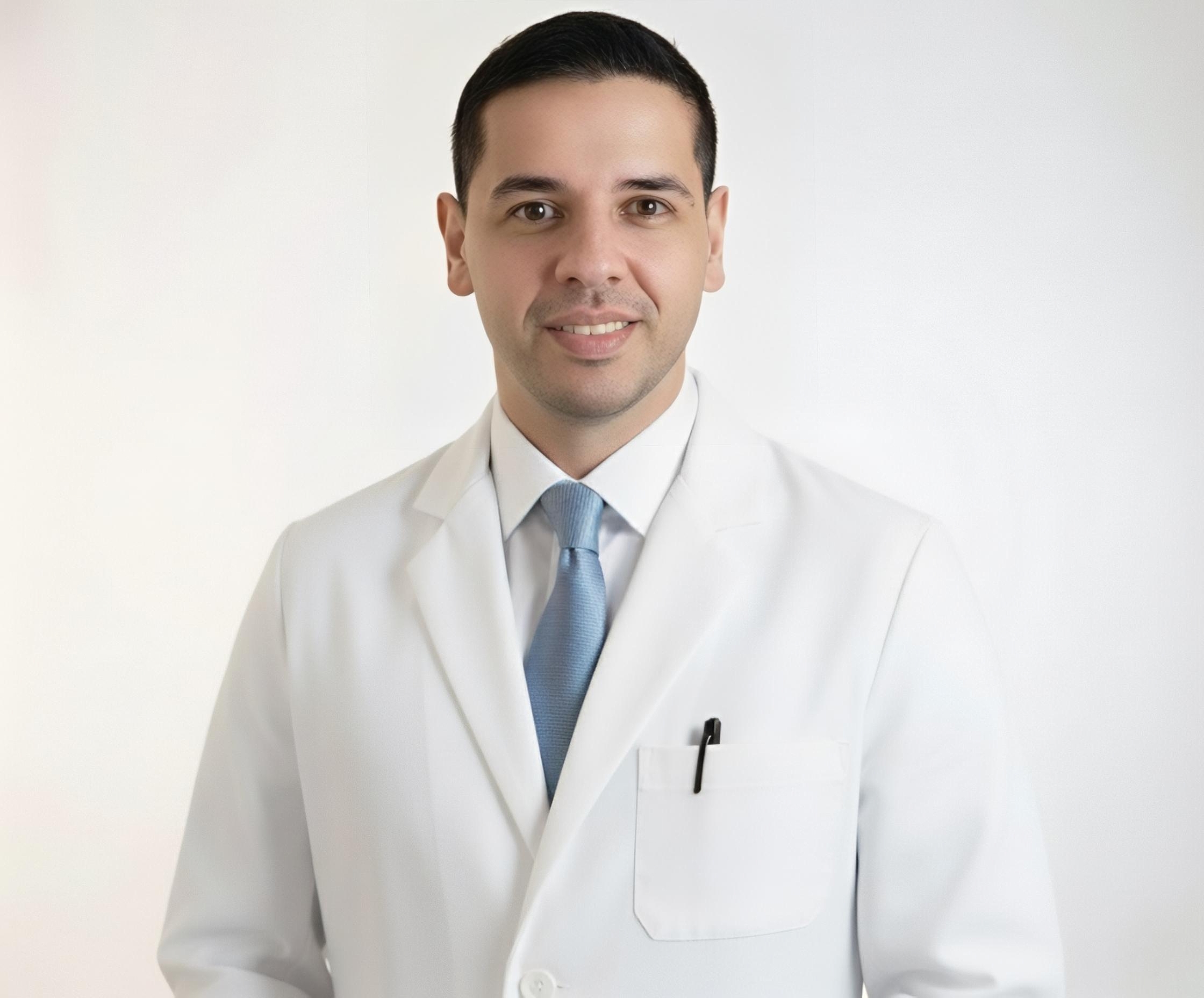
Where Precision Surgery Meets Intelligent Technology
Dr. Khaled Ghalwash represents a rare convergence in modern medicine: a board-certified reconstructive and microsurgical surgeon who is also the architect of the AI systems that power his practice. This page explores the depth of his credentials, his unique professional journey, and how this dual expertise directly benefits every patient.
Professional Convergence Roadmap
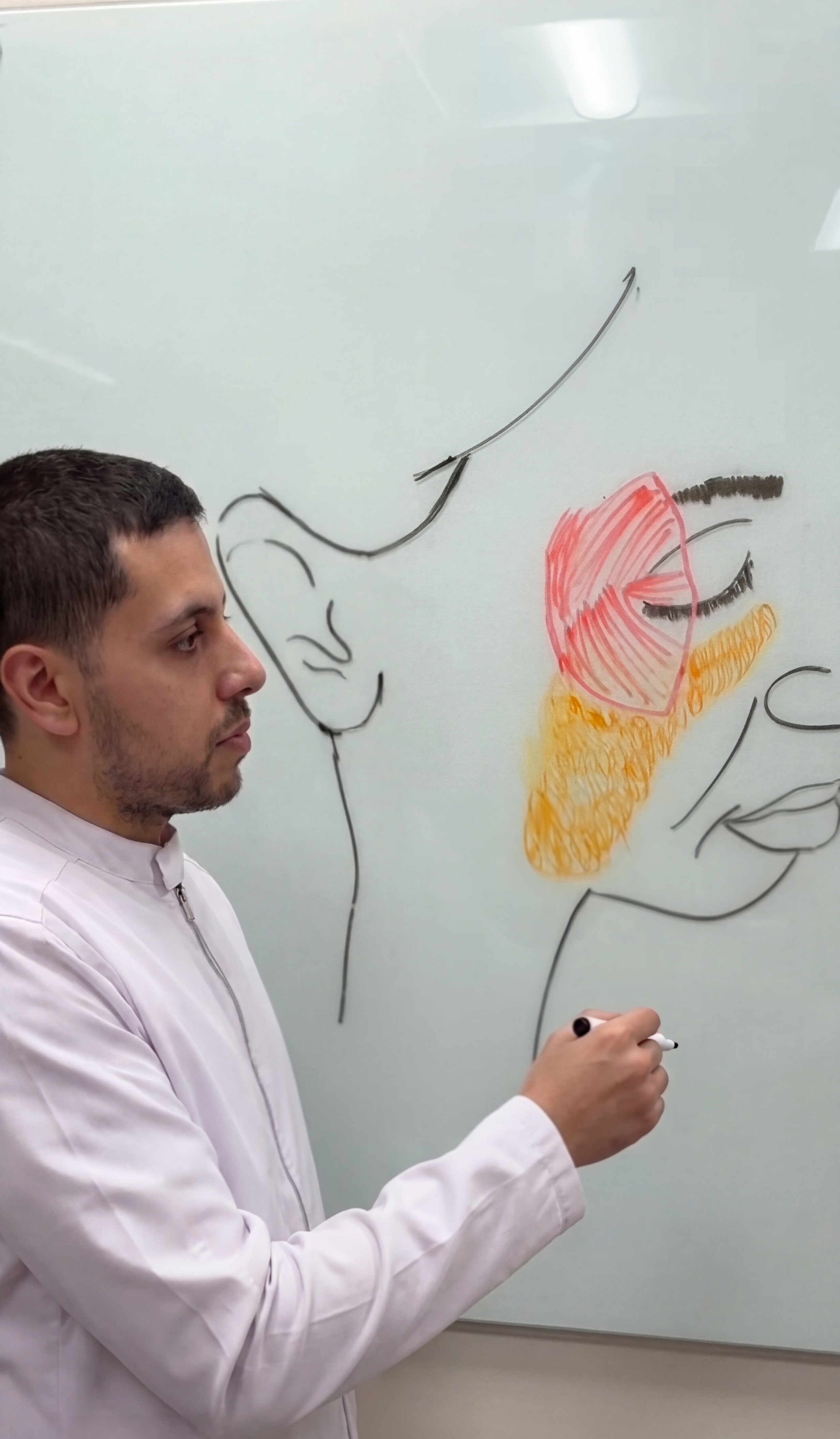
Your Surgeon Builds His Own Technology
Most surgeons use technology created by others. Dr. Khaled creates his own. The AI consultation system you may have already experienced on this website — Ghalwash.ai — was designed, architected, and built by Dr. Khaled himself.
This is not a marketing distinction. It means your surgeon understands the systems that support your care at every level — from the clinical decision-making to the digital infrastructure that ensures nothing falls through the cracks.
Every digital tool in the practice exists because Dr. Khaled identified a gap in patient care and engineered a solution: AI-powered medical Q&A, automated follow-up scheduling, digital outcome tracking, and intelligent appointment triage.
Credentials & Education
Harvard University — Associate Alumni, Clinical Scholars Research Training (2022-Present). Focus on rigorous clinical research methodologies, biostatistics, and data analysis.
Arab Board of Health Specializations — Resident in General and Reconstructive Surgery (2021-Present). Advanced surgical techniques and patient care standards across the Arab region.
Egyptian Fellowship — High Committee of Medical Specialties (2021-Present). Intensive training in microscopic and reconstructive surgery.
MBBS — Kazan State Medical University, Russia (2012-2019). Graduated with honors. Two-time winner of Best International Student.
Multilingual Practice — Arabic (Native), English (C2 Fluent), Russian (C2 Professional), German (B2 Independent) — enabling direct communication with patients from across the Middle East, Europe, and beyond.
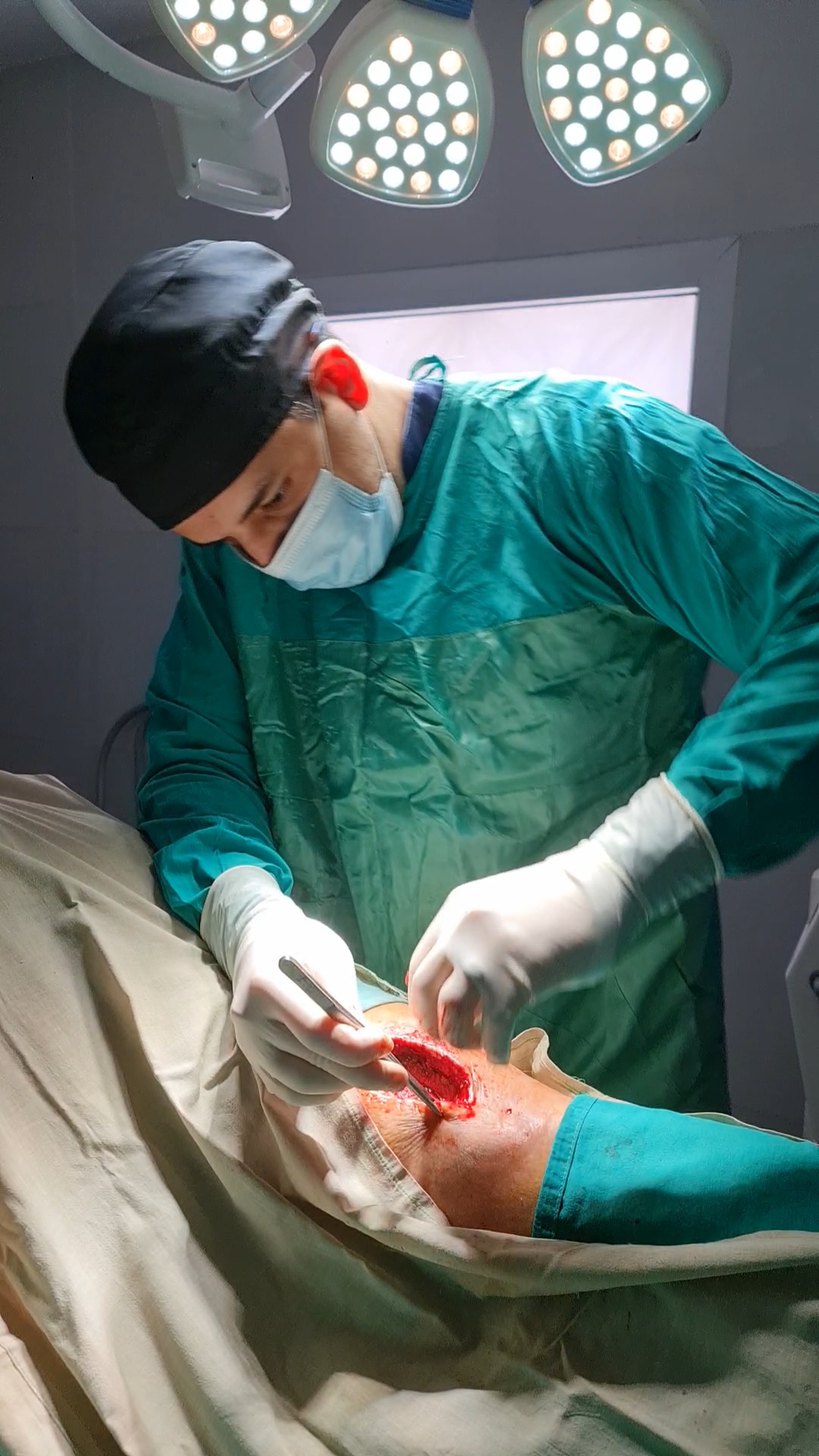
The Evolution: From Open Surgery to the Future
التطور: من الجراحة المفتوحة للمستقبل
Surgery has evolved through four generations, and each one reduced patient trauma while improving precision:
Open surgery: The traditional approach — large incisions, direct visualization, longer recovery. Still necessary for some complex cases.
Laparoscopic surgery: Cameras and instruments through 5mm ports. The revolution that made same-day discharge possible. 4K visualization inside the body at 20x magnification means error rates decreased dramatically.
Robotic surgery: The da Vinci system adds 3D HD vision and wristed instruments that move with more precision than the human hand. Egyptian surgeons are performing robotic procedures at institutions like Qasr Al-Ainy — bringing this technology to patients who would otherwise need to travel abroad.
The future — AI and telesurgery: AI diagnostic systems are achieving 93% accuracy in disease detection. Telesurgery — where a surgeon operates remotely through robotic arms — is already being tested. The next generation of surgery is not science fiction. It is being built right now.
At Ghalwash Hospital, we invest in the tools that make surgery safer and outcomes better. Not because technology replaces surgical skill — but because it amplifies it.
Surgical Excellence Highlights
Dr. Khaled's unique qualifications at a glance:
- Board-Certified Surgeon with Harvard research credentials
- 14+ years of software engineering expertise
- Built and maintains the practice's entire AI infrastructure
- 4 languages for international patient care
- Executive healthcare management experience since age 18
- Pioneer of AI-integrated surgical practice in Egypt
