Just diagnosed with thyroid cancer? Read this first.
Thyroid cancer is one of the most curable cancers — and 2025 care often means less treatment than you fear (active surveillance, selective radioactive iodine, no chemo or external radiation).
Thyroid cancer — prognosis, treatment & radioactive iodine →
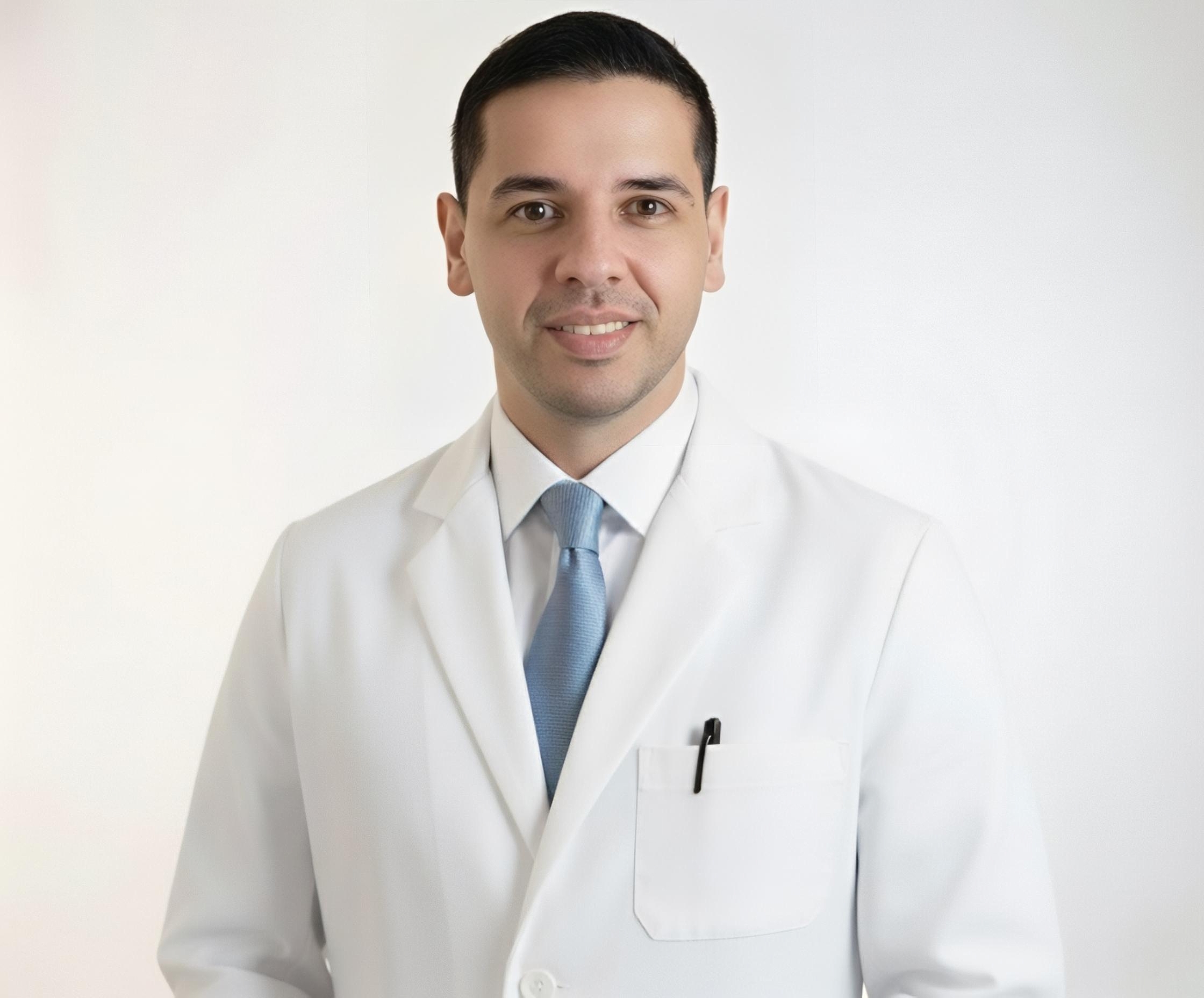
فهم جراحة الغدة الدرقية — دليلك الشامل
Thyroid surgery is one of the most common endocrine procedures performed worldwide. Whether you are facing a diagnosis of thyroid cancer, hyperthyroidism that does not respond to medication, a growing goiter that affects your breathing, or suspicious nodules that need definitive answers — understanding your surgical options is the first step toward reclaiming your health. Dr. Khaled Ghalwash approaches every thyroid case with the precision it demands, because the thyroid sits millimeters away from nerves that control your voice and glands that regulate your calcium.
جراحة الغدة الدرقية محتاجة دقة عالية وخبرة كبيرة — العصب اللي بيتحكم في الصوت على بُعد ملّيمترات من الغدة.
When Is Thyroid Surgery Necessary?
امتى لازم نشيل الغدة الدرقية؟
Not every thyroid problem requires surgery. Many thyroid conditions — including small benign nodules and mild hypothyroidism — are managed medically. Surgery becomes the right choice when the situation poses a real risk to your health or quality of life:
Thyroid cancer or suspicious nodules: When a fine-needle biopsy reveals cancer or cells that are indeterminate (Bethesda IV-VI), surgery provides both the diagnosis and the cure. Papillary thyroid cancer, the most common type, has an excellent prognosis when treated surgically.
Goiter causing compression: A large thyroid can press on the trachea and esophagus, causing difficulty breathing, swallowing, or a sensation of choking — especially when lying down. Surgery relieves these symptoms definitively.
Hyperthyroidism not responding to medication: Graves' disease or toxic nodular goiter that cannot be controlled with anti-thyroid drugs or radioactive iodine may require surgical removal for lasting resolution.
Family history of thyroid cancer: Patients with a strong family history, particularly of medullary thyroid cancer or MEN syndromes, may benefit from prophylactic thyroidectomy based on genetic testing.
A thorough pre-operative evaluation makes sure surgery is truly necessary before proceeding.
What Happens After Thyroid Removal?
ايه اللي بيحصل بعد استئصال الغدة؟
Understanding life after thyroidectomy is essential for every patient considering this surgery. The thyroid produces hormones that regulate metabolism, energy, and body temperature — so removing it means your body will need external support:
Lifelong thyroid hormone replacement: After total thyroidectomy, you will take levothyroxine daily — a synthetic version of the hormone your thyroid used to produce. With proper dosing, patients feel completely normal. Blood tests every 6-12 weeks initially, then every 6-12 months once stabilized, ensure optimal levels.
Calcium monitoring: The four parathyroid glands, each the size of a grain of rice, sit behind the thyroid and control calcium levels. During surgery, these glands may be temporarily stunned, causing low calcium (hypocalcemia). Most patients take calcium supplements for 2-4 weeks post-surgery; permanent hypoparathyroidism occurs in fewer than 2% of cases with experienced surgeons.
Voice changes: The recurrent laryngeal nerve runs directly behind the thyroid gland and controls vocal cord movement. Temporary hoarseness occurs in about 5-10% of patients and resolves within weeks to months. Permanent voice changes are rare (less than 1%) when surgery is performed by an experienced thyroid surgeon who uses nerve monitoring.
Weight management — هل يزيد الوزن بعد استئصال الغدة الدرقية؟ This is the number one fear patients express. The honest answer: some patients gain 2-5 kg in the initial months as hormone levels are being optimized. However, once levothyroxine dosing is properly adjusted, there is no medical reason for continued weight gain. Weight stability depends on correct medication dosing and regular follow-up — not on having a thyroid.
Recovery timeline: Most patients return home within 24 hours of surgery. Return to desk work in 5-7 days. Return to physical activity in 2 weeks. The neck incision (3-5 cm) heals remarkably well and fades significantly within 6-12 months.
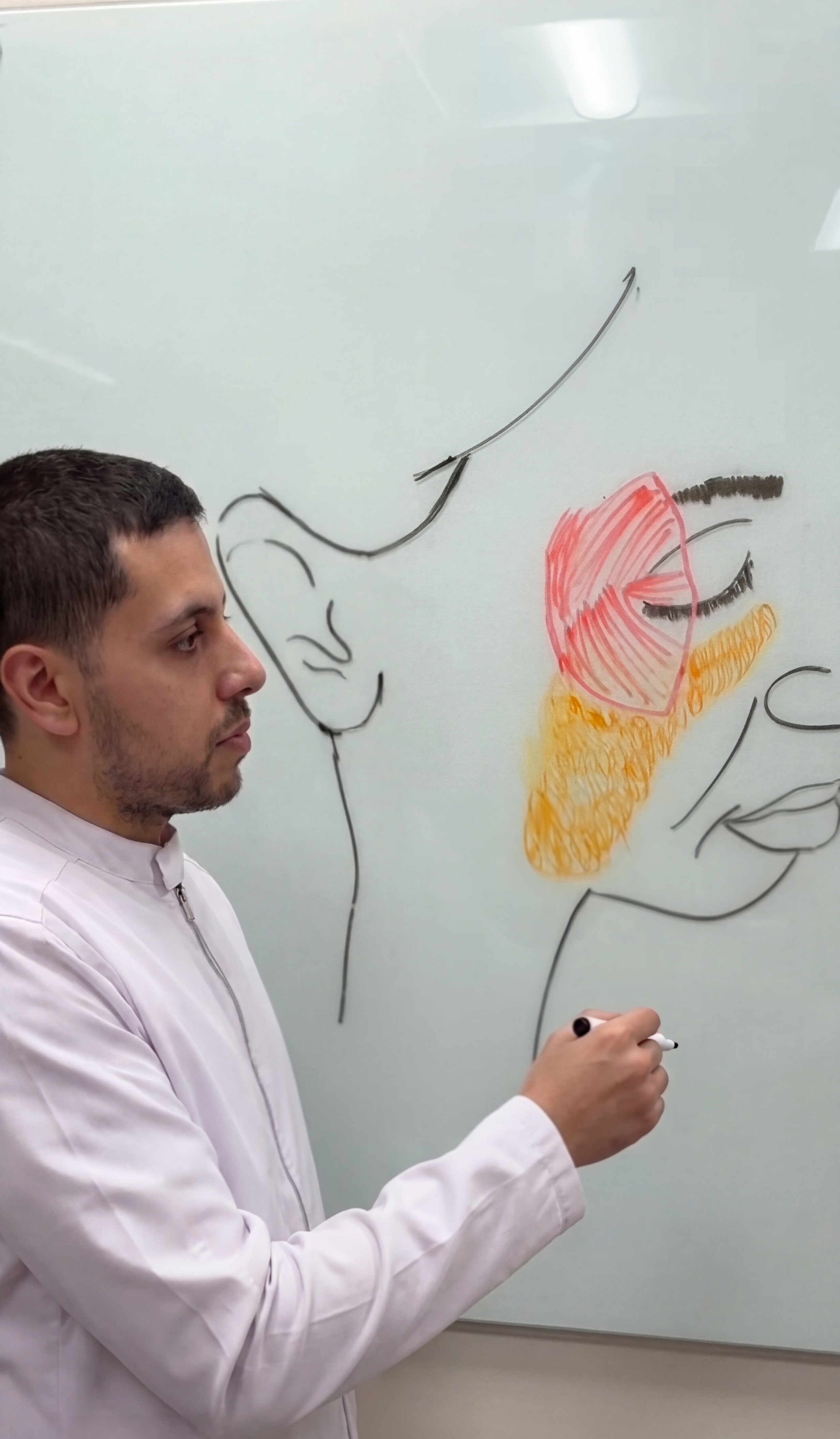
Common questions
Life without a thyroid — what to expect
Living without a thyroid is entirely manageable with modern medicine. You will take one pill each morning — levothyroxine — on an empty stomach, 30-60 minutes before eating. This replaces the hormone your thyroid used to make. Regular blood tests (TSH, Free T4) ensure your dosage stays optimal. Most patients report feeling completely normal within 4-8 weeks of finding the right dose. Energy levels stabilize, weight normalizes, and mood improves. For women planning pregnancy: thyroid hormone requirements increase during pregnancy, so close monitoring with your endocrinologist is essential. Breastfeeding is safe while taking levothyroxine. Exercise, travel, and daily activities are not restricted in any way.
Calcium after surgery — why it matters
The parathyroid glands — four tiny glands behind the thyroid — regulate calcium in your blood. During thyroidectomy, these glands may be temporarily affected, leading to low calcium levels. Symptoms include tingling in the fingertips, lips, or around the mouth, and in severe cases, muscle cramps. The protocol: calcium and vitamin D supplements begin immediately after surgery. Blood calcium is checked within 24 hours, at one week, and at regular intervals. In the vast majority of patients (over 98%), parathyroid function recovers fully within days to weeks. The small percentage who develop permanent hypoparathyroidism manage effectively with calcium and vitamin D supplements long-term.
Thyroid cancer — survival rates and prognosis
A thyroid cancer diagnosis is understandably frightening, but the prognosis for most thyroid cancers is excellent. Papillary thyroid cancer — the most common type, accounting for about 80% of cases — has a survival rate exceeding 95% at 20 years. Follicular thyroid cancer also carries a very favorable prognosis. After surgical removal, some patients receive radioactive iodine therapy (RAI) to eliminate any remaining thyroid tissue. This is a straightforward outpatient procedure. Long-term follow-up includes regular ultrasounds and thyroglobulin blood tests to monitor for recurrence. Medullary and anaplastic thyroid cancers are less common and require specialized treatment plans. The practice coordinates with oncologists and nuclear-medicine specialists to provide comprehensive care for all thyroid cancer types. Read the full thyroid-cancer guide.
Will I gain weight after thyroid removal?
Some patients gain 2-5 kg initially while hormone levels are being optimized. Once your levothyroxine dose is properly adjusted, there is no medical reason for continued weight gain. Regular follow-up ensures your dose stays right. Patients who continue to struggle with weight may benefit from the bariatric surgery program.
How long does thyroid surgery take?
A total thyroidectomy typically takes 1.5-3 hours, depending on the size of the thyroid and complexity of the case. Hemithyroidectomy (removing one lobe) takes 1-1.5 hours.
Will I have a visible scar?
The incision is 3-5 cm in a natural skin crease of the neck. It heals as a thin line and fades significantly over 6-12 months. Most patients find it barely noticeable after one year.
Can I ever stop taking medication?
After total thyroidectomy, levothyroxine is lifelong — your body cannot produce thyroid hormone without a thyroid gland. After hemithyroidectomy, about 70-80% of patients do not need medication, as the remaining lobe compensates. This is determined by blood tests in the weeks following surgery.
Choosing a thyroid surgeon is an important decision — read our surgeon selection guide.
Had a partial thyroid operation that left tissue behind? See revision & completion thyroid surgery.
Before your surgery: what tests Dr. Khaled Ghalwash will order
Every patient receives the standard pre-operative panel. Dr. Khaled Ghalwash adds personalised tests by profile (cardiac, diabetic, age over 50 with chronic disease).
Pre-operative assessment overview → · Cardiac workup if you have heart history →
Enhanced Recovery After Surgery (ERAS) — the protocol Dr. Khaled Ghalwash applies
The international evidence-based protocol that cuts complications by up to 50 percent, shortens hospital stay by 30 to 50 percent, and improves cancer survival. Dr. Khaled Ghalwash applies the relevant ERAS Society guideline to every elective procedure.
Enhanced Recovery overview → · Pain control after thyroid surgery →
