Do You Really Need Surgery?
Not every patient who walks through our door needs surgery. That might sound strange coming from a surgeon — but at Ghalwash Hospital, we believe the best doctor is the one who tells you the truth, not the one who sells you the most expensive procedure.
Dr. Khaled Ghalwash evaluates every patient individually, because your treatment plan should be as unique as you are. Some patients come in expecting a facelift and leave with a dermal filler plan that gives them exactly the result they wanted — with zero downtime and a fraction of the cost.
It May Not Be Surgical — And That's Okay
Every day, patients come in thinking they need surgery when non-surgical treatments could achieve their goals beautifully. We see patients in their late 30s and early 40s with early signs of aging — fine lines, slight skin laxity, texture changes — where treatments like dermal fillers, neurotoxins, and laser resurfacing can set back the clock without the recovery time of surgery.
Our duty as board-certified surgeons is to cut through the noise of social media and advertising. We educate you on what is real and what is marketing. We show you honest results, explain the science, and let YOU decide what is best for your life, your schedule, and your goals.
This philosophy has guided Dr. Khaled's practice for years: treat the patient, not the procedure.
Understanding Your Face: Volume Loss vs. Gravity
As we age, two things happen to our faces. First, we lose volume — the fat pads that give youthful fullness shrink, and even the underlying bone recedes slightly. Second, gravity does its work — skin and soft tissue descend, creating jowls, deepening nasal labial folds, and loosening the neck.
The treatment depends entirely on which force is driving your concern:
- Volume loss with good skin tone — Dermal fillers or fat grafting can restore youthful contours without any surgery
- Skin laxity with adequate volume — RF microneedling or laser skin tightening can rebuild collagen and firm the skin
- Both volume loss and laxity — A combination approach often delivers the best results
- Advanced laxity and jowling — A facelift may genuinely be your best option — and we will tell you honestly
Dr. Khaled's approach: we assess both factors, show you what each treatment would achieve, and you decide.
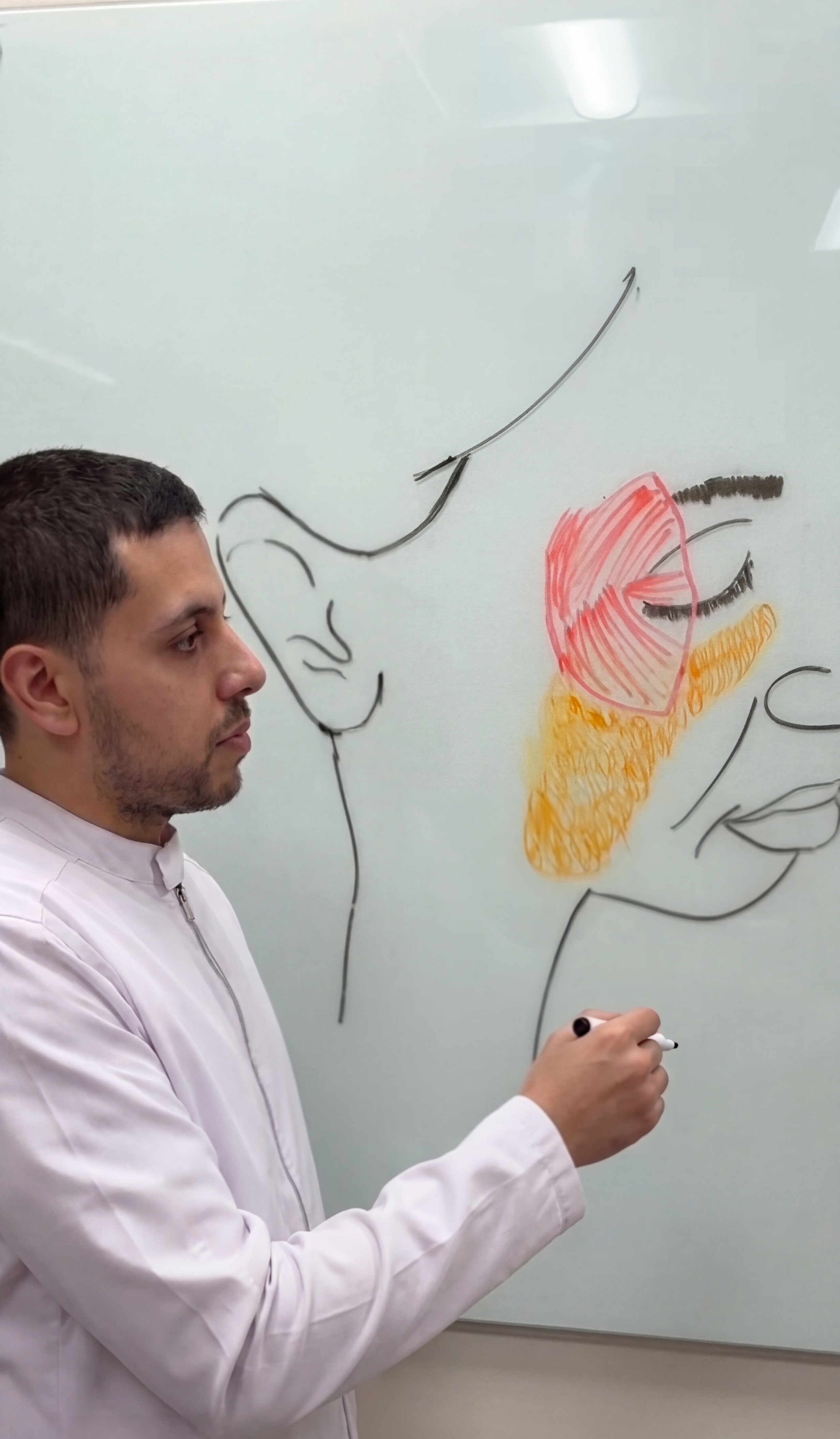
The best doctor doesn't sell you the most expensive procedure — they tell you the truth about what you actually need.
افضل دكتور مش اللي بيقدملك اغلى عملية — ده اللي يقولك بصراحة انت محتاج ايه
Sometimes Surgery Is Exactly What You Need
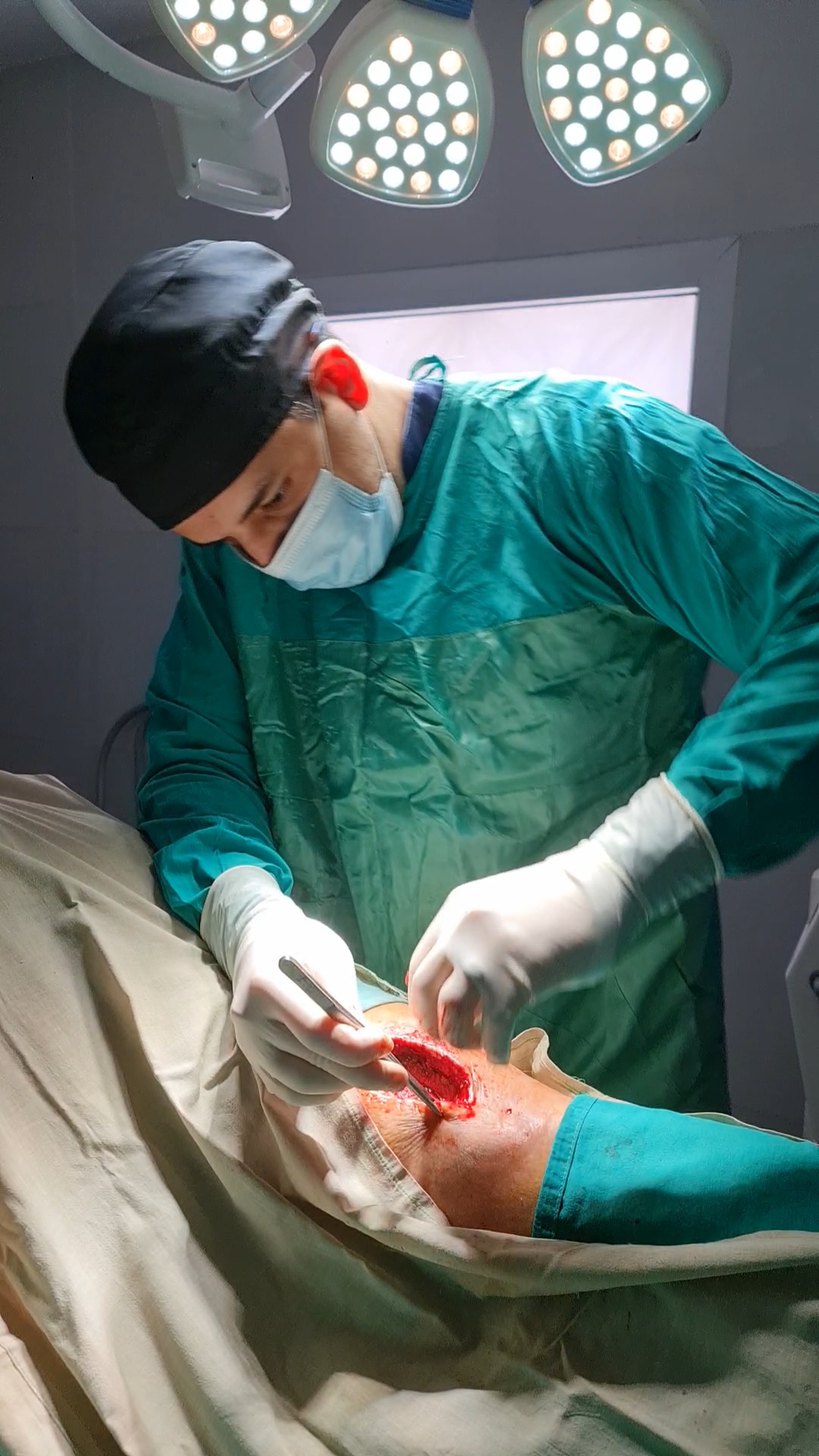
We are not anti-surgery — we are anti-unnecessary-surgery. When a patient genuinely needs a facelift, we say so. When a tummy tuck is the right answer after massive weight loss, we will not pretend that laser treatments or creams will do the job.
The difference at Ghalwash Hospital is this: we will always show you ALL your options first. We will explain the expected results, the downtime, the investment, and the longevity of each approach. Then you decide.
We have patients who came in planning non-surgical treatments and chose surgery after seeing the comparison. We have patients who came in planning surgery and left thrilled with a non-surgical plan. Both outcomes are wins — because the patient made an informed decision.
Learn more about our Surgical Excellence | Meet Dr. Khaled Ghalwash
Weight Loss Medications: A Surgeon's Honest Perspective
ابر التخسيس: رأي جراح بصراحة
In the past five years, GLP-1 agonist medications — Semaglutide (Ozempic, Wegovy) and Liraglutide — have transformed the weight loss landscape. These drugs mimic a natural gut hormone that creates satiety, telling your brain you are full after eating less.
How they started: Like Aspirin, which was made for headaches but now prevents blood clots, GLP-1 drugs were originally diabetes medications. Weight loss was a discovered benefit — and it turned out to be significant.
The "First Responder" rule: If a GLP-1 medication is going to work for you, results must show within the first 12 weeks. If there is no meaningful weight loss by then, continuing is unlikely to help — and it is time to discuss surgical options.
Side effects to know: Nausea, vomiting, and rapid heart rate are common. More seriously, 1-3% of patients face risks including thyroid and pancreatic concerns. This is why physician oversight is non-negotiable.
The Egyptian misuse crisis: We are seeing patients who buy these injections without a prescription, share them between friends, and self-administer without any monitoring. This is dangerous. These medications require an endocrinologist or GI physician, regular blood work, and proper dose escalation.
When medication is not enough: Failed conservative measures — including a supervised GLP-1 trial — is actually one of the strongest indications for bariatric surgery. Some patients also use GLP-1 pre-operatively to reduce weight before surgery, making the procedure safer.
We will not operate unless you genuinely need it. Here is what we recommend trying first — and here is when you need us.
Why patients trust Dr. Khaled for honest assessments:
- Board-certified surgeon who also offers the full range of non-surgical treatments
- No financial incentive to push surgery — we offer everything under one roof
- Personalized treatment plans — not cookie-cutter, not one-size-fits-all
- Technology range from dermal fillers to lasers to operating room surgical suites
- Your surgeon oversees everything — surgical and non-surgical, one expert team
- Harvard-affiliated clinical research keeping us at the forefront of innovation
"Women carry Mounjaro in their handbags and offer it to friends like candy." — Dr. Khaled explains the GLP-1 medication crisis in Egypt and the 12-week rule every patient should know.
Read the full conversation →Before your surgery: what tests Dr. Khaled Ghalwash will order
Every patient receives the standard pre-operative panel. Dr. Khaled Ghalwash add personalised tests by profile (cardiac, diabetic, age over 50 with chronic cholecystitis).
Enhanced Recovery After Surgery (ERAS) — the protocol Dr. Khaled Ghalwash applies
The international evidence-based protocol that cuts complications by up to 50 percent, shortens hospital stay by 30 to 50 percent, and improves cancer survival. Dr. Khaled Ghalwash apply the relevant ERAS Society guideline to every elective procedure.
