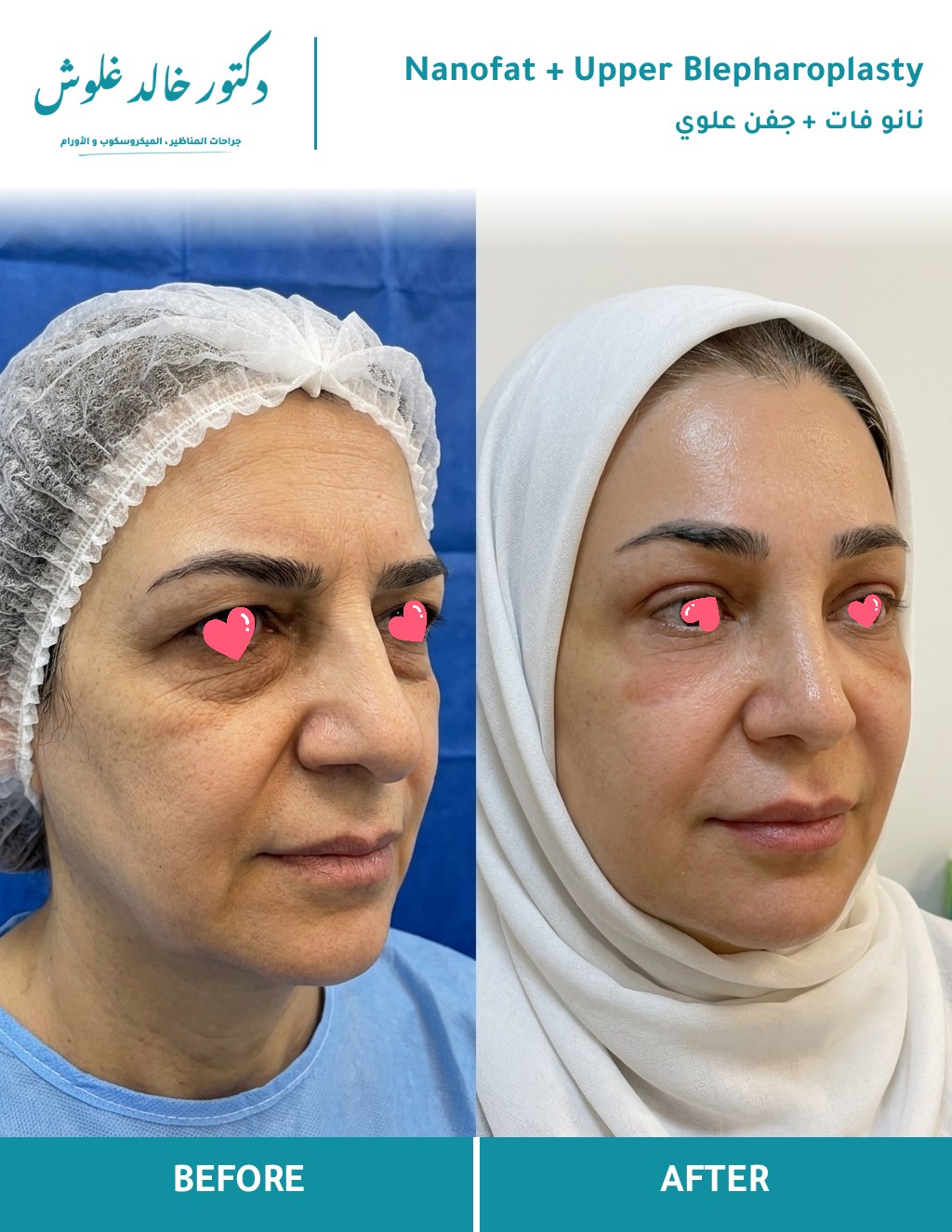
Раскрываем тяжёлый, усталый взгляд — не делая глаз запавшим
Когда на верхнем веке скапливается избыток кожи, глаз выглядит тяжёлым и усталым, а когда кожа нависает над ресницами, она может даже сужать поле зрения. Блефаропластика верхних век удаляет этот избыток через разрез, скрытый в естественной складке. Современная цель — не оголить глаз, а облегчить его, сохранив естественную наполненность, — поэтому жир сохраняют, а не просто удаляют, и в первую очередь оценивают положение брови.
Мы раскрываем тяжёлый взгляд — не опустошая его. Убираем избыток кожи и сохраняем естественную наполненность.
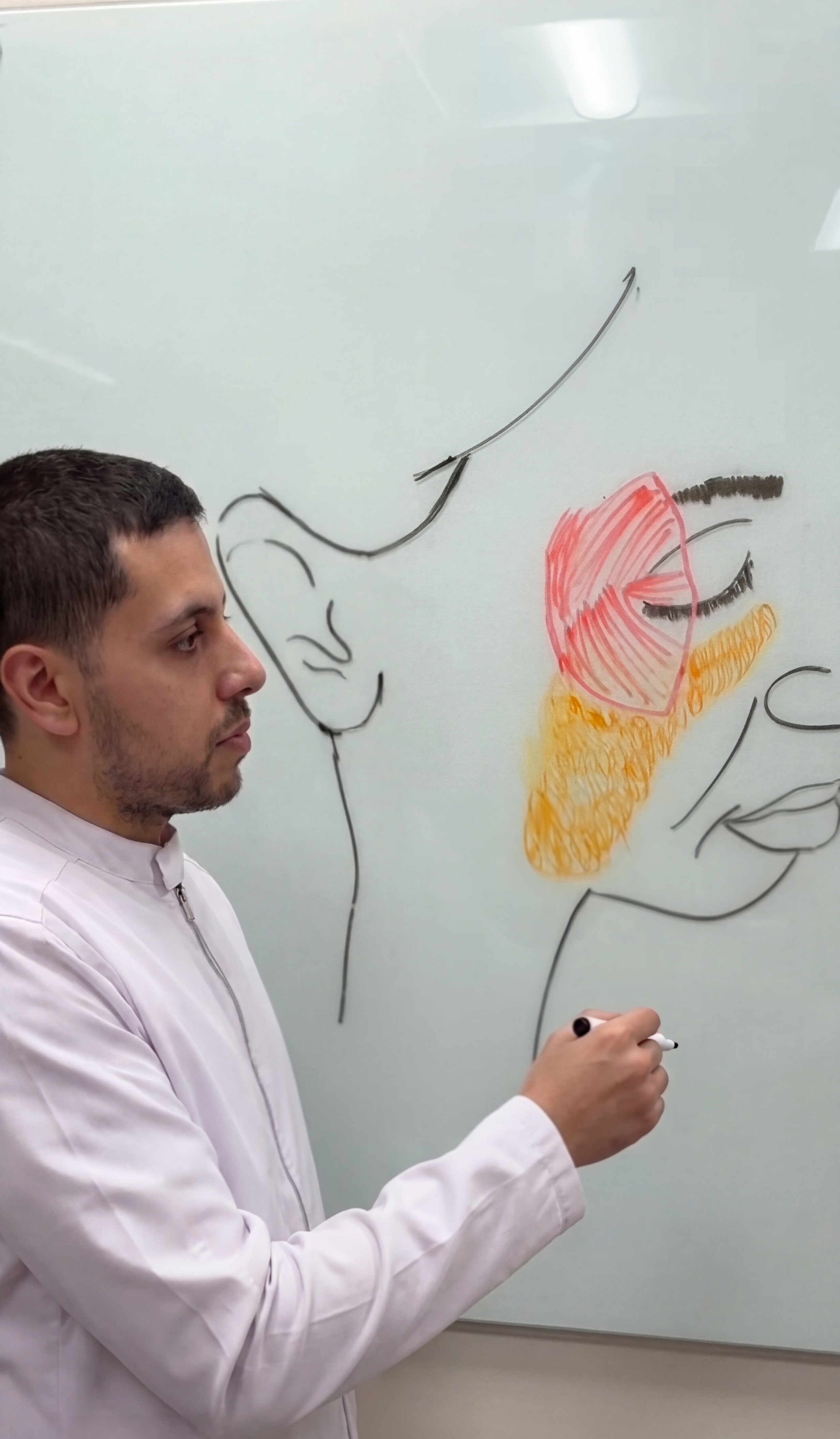
Почему верхние веки становятся тяжёлыми — и почему важна бровь
Тяжесть верхнего века и роль положения брови
С возрастом кожа верхнего века растягивается, а поддерживающие ткани ослабевают, поэтому кожа собирается в складке (дерматохалазис) и глаз выглядит нависшим. Иногда небольшой жировой пакет усиливает эту наполненность.
Но не каждый тяжёлый верхний глаз — это проблема кожи. Опустившаяся бровь смещает кожу вниз на веко и имитирует избыток кожи века. Удаление кожи века в такой ситуации ещё сильнее тянет бровь вниз и даёт неестественный результат. Именно поэтому положение брови оценивают до того, как что-либо планировать, — от этого зависит правильный выбор операции.
Правильно проведённое различие — это грань между отдохнувшим, естественным взглядом и глазом, над которым переусердствовали.
Современная методика — бережная и сохраняющая объём
Бережный подход, сохраняющий естественную наполненность
Разрез в складке: разрез проходит в естественной складке верхнего века, поэтому при открытых глазах он не виден и заживает тонкой линией.
Удаляется только избыток кожи: объём рассчитывают бережно. Именно избыточное удаление оставляет запавший, застывший, «оперированный» глаз — и это необратимо, — поэтому принцип таков: убрать меньше, а не больше.
Жир сохраняют, а не иссекают: современные данные говорят в пользу сохранения или перераспределения жира верхнего века, чтобы поддержать естественную, молодую наполненность, вместо прежней привычки удалять его, что старит глаз, делая его запавшим.
Не уверены, нужна ли вам операция, или это просто усталый вид глаз? Сначала прочитайте наше честное руководство по самооценке.
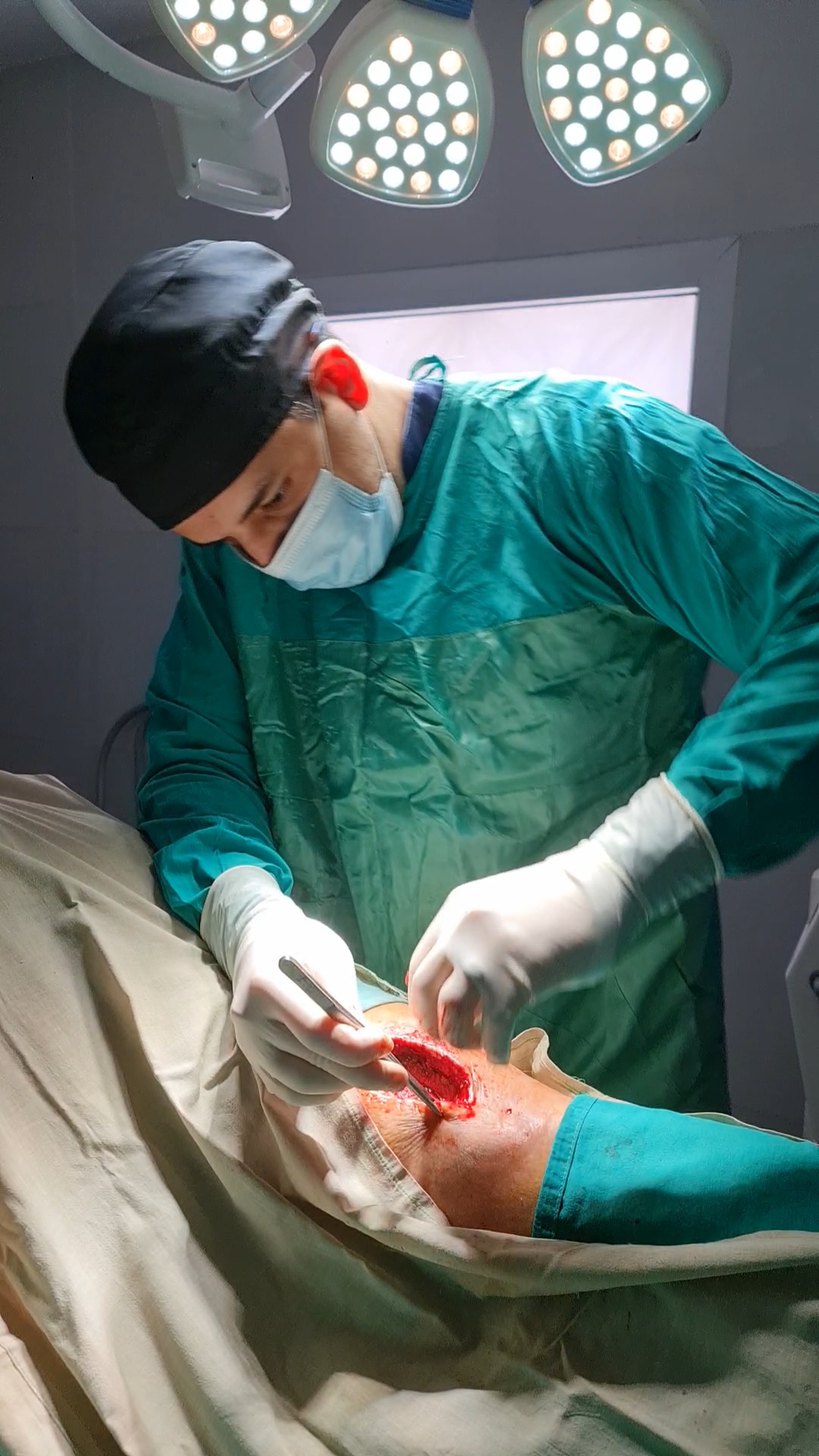
Верхние и нижние веки вместе: один план, одно восстановление
Глаз — единое целое. Тяжёлые верхние веки уменьшают видимый глаз и делают впадину под глазом темнее, поэтому операция только на одном веке часто обнажает проблему другого. Нужны ли оба века, решает осмотр, а не предположение.
- 1
Оценка обоих век вместе
Верхнее: избыток кожи, высота складки, положение брови. Нижнее: выраженность жира, дряблость, орбитальный вектор. План составляется один раз для всего глаза.
- 2
Сначала верхнее веко
Избыток кожи удаляется по естественной складке, жир — только там, где он действительно избыточен; при этом проверяется, не бровь ли причина тяжести.
- 3
Затем нижнее веко
Жир перераспределяется через внутреннюю поверхность века; небольшое иссечение кожи или поддержка наружного угла — только если это показал осмотр.
- 4
Один наркоз, одно восстановление
Тонкие инертные швы, один период заживления, один путь наблюдения.
Когда достаточно одного века: если отёчность только внизу или тяжесть только вверху, мы оперируем только это веко. Сочетание — решение, а не пакет.
Подробнее о нижнем веке: страница нижней блефаропластики.
Часто задаваемые вопросы
Это эстетическая операция или может быть функциональной?
И то, и другое. Многие хотят более свежий, менее тяжёлый вид — но когда избыток кожи нависает над ресницами, он может перекрывать верхнюю часть поля зрения; это по-настоящему функциональная проблема, которую операция исправляет, а не только эстетическая.
Где находится рубец?
В естественной складке верхнего века — он скрыт при открытых глазах и заживает тонкой, едва заметной линией. Разрез планируют вдоль этой складки, чтобы закрытое веко выглядело нетронутым.
Вы удаляете весь жир?
Нет — подход изменился. Прежние операции агрессивно удаляли кожу, мышцу и жир, что могло сделать глаз запавшим. Современный, основанный на доказательствах подход бережный: удаляют только избыток кожи и сохраняют или перераспределяют жир ради естественной наполненности. Сначала оценивают бровь, потому что низкую бровь лечат иначе, а не удалением большего количества кожи века.
Как проходит восстановление?
Швы снимают на 5–7-й день; лёгкий отёк и синяки спадают примерно за две недели при использовании холодных компрессов и приподнятом положении головы. Большинство людей возвращаются к офисной работе в течение недели, а тонкий рубец в складке бледнеет в течение следующих месяцев.
Можно ли совместить это с нижними веками или нанофэтом?
Да, и довольно часто. Операция на верхнем веке удаляет тяжёлую кожу над глазом; нанофэт или пластика нижних век освежает усталую, запавшую зону под ним — вместе они омолаживают весь глаз за один сеанс, одну анестезию, одно восстановление. Смотрите комбинированный случай в галерее.
Каковы риски?
Главные подводные камни — удалить слишком много (запавший глаз или, редко, трудности с полным смыканием век) и не заметить лежащую в основе тяжёлую бровь. И того, и другого избегают за счёт бережного удаления кожи, сохранения жира и оценки положения брови и века до любого разреза. В случае сомнений удаляют меньше: добавить можно позже, а запавший глаз трудно исправить.
Естественно сочетается с нанофэтом и пластикой нижних век для полного омоложения периорбитальной зоны.
Выбор хирурга имеет значение — сначала прочитайте, как выбрать хирурга.
